Upon viewing a draft of this website, Elspeth Annette asked for the withdrawal of all but one photograph that she sent me for this study. She wrote the following statement and gave permission for it to be shared:
“I think that reason for redacting images is possibly another valuable learning experience for me too. I agree that when I consented to the study, I was still very much in the eye of the storm and had afforded myself neither the time nor space to assimilate both the personal and professional trauma that I’d been subject to. I was still in denial regarding the far reaching implications of nursing during this time. I wanted to project and concentrate on the collective pride, the good stuff, and of that there was plenty. But I had still not processed that as healthcare professionals, we went to war, our battles against an enemy we couldn’t predict. We lived the death toll day in day out, whilst repressing the fear of waiting for it to be our turn. When the bell didn’t toll for me I was still afraid. Not for my corporeal existence, but for my professional one. It was only a matter of time before the media would turn, the masses would jeer not cheer, and our integrity would be questioned on an individual and collective level. It happened, we were scapegoated. I felt hunted, I felt professionally unsafe, and this has never left me.
Viewing the images that I willingly submitted was searingly painful and triggering. Particularly the one of my colleagues and I performing the NHS clapping whilst being televised. We look haunted. And that’s a feeling that remains. PTSD was not something I expected to experience. I wasn’t a member of HM Forces or the police, or even a paramedic.
I wasn’t just a nurse who went to work and entered a war zone with neither the intense preparation and training, nor the respect afforded to our military counterparts and veterans. I was a broken soul living flashbacks and night terrors whilst teaching friends were awarded a pay rise.
I have never felt so taken for granted and let down by a government. But I’m sure I will again. And then we all returned to our even newer ‘New Norm’ once again. Returning back from ITU escalation back into out Nurse Specialist roles. And our whole professional world was forever changed. Because then we were dealing with the fallout of late presentation cancers, societal deterioration of chronic conditions, and increased expectation to “make it better” Some of us were washed away, and the world was never the same.”
(Image withdrawn )
“Sad times. Our first clap for the NHS. We were televised. We’d just lost a colleague to Covid, nursed on ITU and had formed a guard of honour as he was transferred to the Chapel of rest. We were wearing disposable scrubs, no underwear or makeup and I’ve never felt so professionally distraught or vulnerable. And on national TV. We were heartbroken.”
“Sad times. Our first clap for the NHS. We were televised. We’d just lost a colleague to Covid, nursed on ITU and had formed a guard of honour as he was transferred to the Chapel of rest. We were wearing disposable scrubs, no underwear or makeup and I’ve never felt so professionally distraught or vulnerable. And on national TV. We were heartbroken.”
“Photos at the end of blurred boundaries. Nursing my uncle palliatively and endeavouring to provide him with peace, comfort and dignity in his final days. And the family with peace and freedom to be with him at home. It was the most difficult thing I’ve ever done. But his passing was managed by me, and was dignified & peaceful.
He took a piece of my soul when he left us
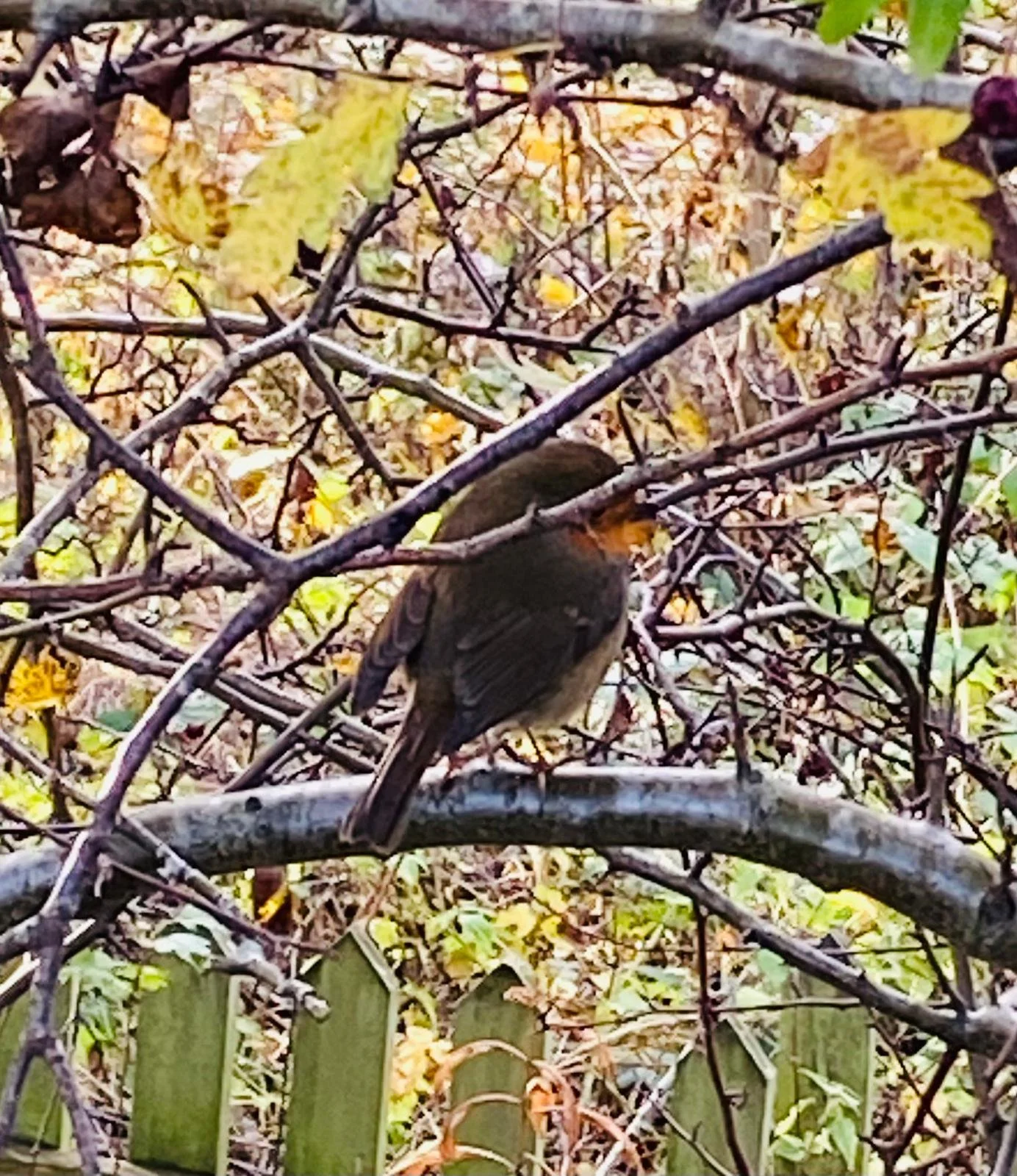
And the Robin that came to visit me every day for months after he passed. I’m a realist, not a fantasist. But this little Robin provided me with comfort”
“That pile of casenotes is the side of the job that few see. The noodle holding the large set of notes broke this morning. They all went on the floor. So had to be re-filed. Chronologically. I actual cried! Then got someone else to do it! It’s so difficult to verbalise or capture the perception vs reality picture”